
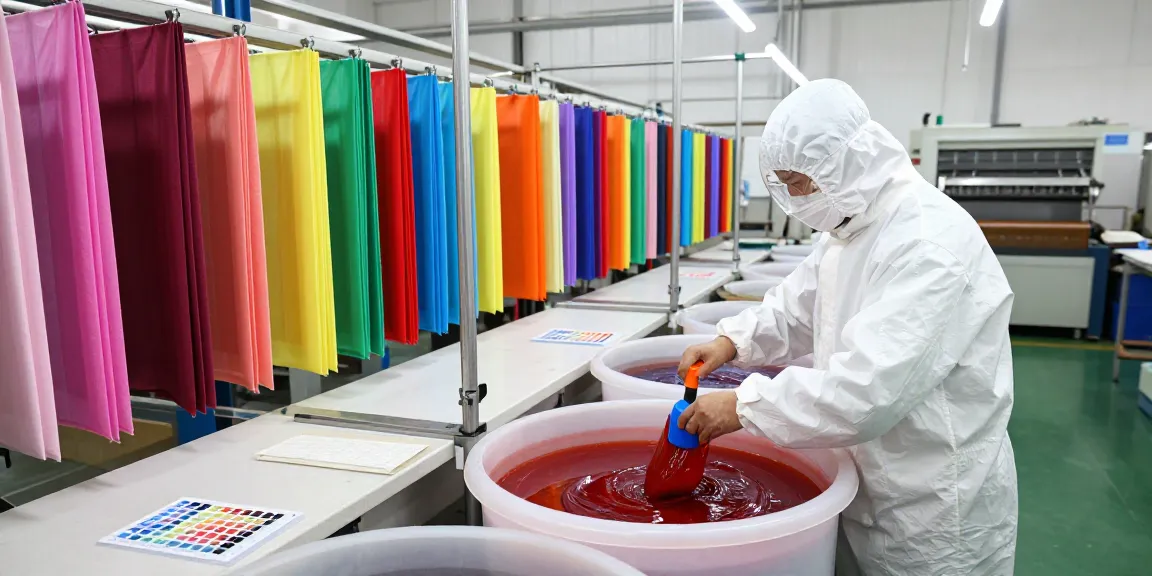
Understanding Jiefa Lignosulfonate and Its Role in the Textile Industry
In the ever-evolving world of textile manufacturing, achieving sustainable production while maintaining high-quality standards poses significant challenges. One innovation that stands out is Jiefa Lignosulfonate, a lignin-based product from Zhejiang Jiefa Technology Co., Ltd. Over the past 22 years, Jiefa has emerged as a leader in providing tailored lignin solutions, supporting a wide variety of applications in textiles, batteries, and agriculture. When exploring options, Jiefa Lignosulfonate provides comprehensive insights into how these solutions can enhance textile production processes while addressing environmental concerns.
What is Jiefa Lignosulfonate?
Jiefa Lignosulfonate is a natural polymer derived from lignin, a complex organic polymer found in the cell walls of plants. This compound is particularly valued for its ability to function as a dispersant, stabilizer, and adhesive in various industrial applications. Lignosulfonate is obtained through the sulfite pulping process and, due to its unique molecular structure, offers excellent performance in water solubility and surface activity, making it ideal for use in textiles.
Benefits of Lignosulfonate in Textile Dyeing
The textile industry demands robust performance from its dyeing agents, and Jiefa Lignosulfonate delivers in several key areas:
- Improved Dispersion: Jiefa Lignosulfonate enhances the dispersion of dye particles, leading to uniform color application and improved overall quality of textile products.
- Color Fastness: The use of lignosulfonate significantly enhances the color fastness of dyed fabrics, which is crucial for ensuring longevity and durability.
- Environmental Compliance: As a natural product, lignosulfonate is biodegradable and contributes to more sustainable production practices, aligning with global efforts to reduce the environmental impact of textile manufacturing.
Comparative Analysis with Traditional Dyes
While traditional dyeing agents often rely on chemical formulations that may pose environmental risks, Jiefa Lignosulfonate represents a greener alternative. It not only meets stringent regulatory requirements but also offers advantages such as lower toxicity, reduced environmental footprint, and improved performance consistency. This makes it a smart choice for manufacturers who are keen on maintaining compliance while promoting sustainability.
Key Application Areas for Jiefa Lignosulfonate in Textiles
Jiefa Lignosulfonate finds its applications across multiple aspects of textile production, enhancing both processes and final product quality.
Impact on Dye Dispersing Agents
One of the standout applications of Jiefa Lignosulfonate is its role as an effective dye dispersing agent. In this capacity, it helps in reducing the occurrence of dye aggregation, allowing for more uniform application across various fabric types. This not only improves the aesthetic quality of textiles but also minimizes the amount of dye needed, leading to significant cost savings.
Improving Color Fastness and Stability
Color fastness is paramount in textile dyeing, and the incorporation of Jiefa Lignosulfonate can mitigate issues related to color bleeding and fading. Its chemical properties enable better bonding between dye molecules and fabric fibers, resulting in textiles that maintain their vibrancy over time, even after repeated wash cycles.
Applications in Sustainable Textile Production
With growing scrutiny over sustainable practices, the textile industry is increasingly drawn to Jiefa Lignosulfonate for its eco-friendly profile. Its use supports the development of sustainable product lines that appeal to eco-conscious consumers, further driving market growth. By investing in lignin-based solutions, textile manufacturers not only comply with growing regulations but also meet rising consumer demand for sustainable products.
Challenges and Solutions in Implementing Lignosulfonate
While Jiefa Lignosulfonate offers considerable benefits, its implementation is not without challenges. Here’s a look at common hurdles and potential solutions.
Addressing Inconsistent Product Quality
Inconsistent quality can be a major concern when integrating new materials into existing processes. To combat this, Jiefa Technology employs a rigorous quality control process, ensuring that every batch of lignosulfonate meets the highest standards. This includes close monitoring of raw material sourcing and production conditions.
High Production Costs: Strategies for Cost Reduction
Although the initial investment in Jiefa Lignosulfonate may be higher than traditional dyes, the long-term benefits—including reduced dye usage and improved fabric quality—can lead to overall cost savings. Manufacturers can also explore bulk purchasing and long-term contracts with suppliers to lower per-unit costs.
Meeting Application-Specific Requirements
Different textiles may require specific formulations of lignosulfonate to achieve optimal results. Jiefa Technology has built a reputation for customizing solutions that cater to the particular needs of various clients. By collaborating closely with manufacturers and understanding their unique requirements, Jiefa provides tailored products that enhance performance across applications.
Future Trends in Textile Dyeing with Jiefa Lignosulfonate
The landscape of textile dyeing is continuously transforming, and several key trends are shaping future practices.
Innovations to Watch for in 2026
As we look to 2026, innovations in the formulation of Jiefa Lignosulfonate—such as the integration of nanotechnology—may offer even greater precision and efficiency in dye application. Companies that invest in research and development will likely lead the charge in creating more effective and environmentally friendly dyeing solutions.
Consumer Preferences and Sustainability Trends
With growing awareness about environmental issues, consumers are demanding more sustainable products. This trend will likely intensify the market’s shift towards the adoption of Jiefa Lignosulfonate as manufacturers seek to align their offerings with consumer values.
Regulatory Changes Affecting the Use of Dyes
As regulations around chemical usage become more stringent globally, the adoption of natural, biodegradable alternatives like Jiefa Lignosulfonate will be crucial for compliance. Manufacturers will need to stay informed about these changes and adjust their practices accordingly to remain competitive.
Conclusion: Why Choose Jiefa Lignosulfonate?
In a rapidly changing textile industry, choosing the right materials can define the success of a business. Jiefa Lignosulfonate stands out as a reliable partner for those looking to enhance their dyeing processes.
Building Trust through Consistency and Quality
Consistency in product quality is key in manufacturing, and Jiefa Lignosulfonate promises high performance with every batch. Manufacturers can trust that their investments will translate into superior products.
Long-Term Partnerships for Growth
Jiefa Technology emphasizes building long-term relationships with clients, providing ongoing support and customized solutions that foster mutual growth. This approach enables manufacturers to stay ahead in a competitive market.
Future-Proofing Your Textile Production
By adopting Jiefa Lignosulfonate, textile manufacturers can ensure their operations are not only sustainable but also adaptable to future trends in the industry. The strategic integration of this lignin-based solution not only meets current demands but also prepares businesses for what’s to come.
What are the environmental benefits of using Jiefa Lignosulfonate?
The environmental benefits are significant. Jiefa Lignosulfonate is biodegradable, reducing the overall ecological impact of textile production. Its use can help companies meet sustainability targets while minimizing waste and pollution.
How does Jiefa Lignosulfonate compare to other dyeing agents?
Jiefa Lignosulfonate outperforms many traditional dye agents in terms of sustainability, toxicity, and cost-effectiveness. Its innovative properties provide a competitive advantage in modern textile manufacturing.
What trends are shaping the future of textile dyeing?
Key trends include the demand for sustainable practices, advancements in technology, and evolving consumer preferences towards eco-friendly options. These factors will influence the industry’s direction and growth.
How can manufacturers implement Jiefa Lignosulfonate effectively?
Effective implementation involves understanding the specific requirements of different textiles, utilizing Jiefa’s technical support for customization, and ensuring rigorous quality control throughout the production process.
What role does technology play in dyeing solutions?
Technology plays a central role in enhancing dyeing processes through improved formulations, automation, and data analytics. Embracing these advancements will optimize efficiency and product quality in the industry.

