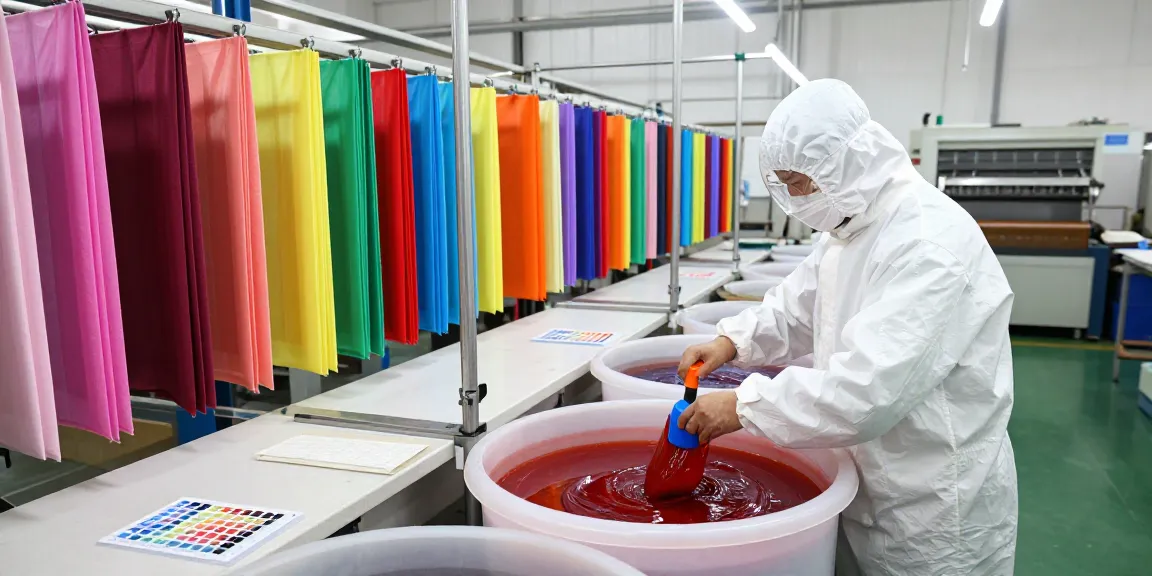

Introduction to the Sunwin Textile Industry
The textile industry has always been a cornerstone of global commerce, intertwining with fashion, home decor, and technological innovations. In this landscape, companies like sunwin have emerged as significant players, earning a reputation for their commitment to quality and sustainability. As markets evolve, understanding the position of Sunwin in the textile domain can offer valuable insights into the broader industry trends and innovations.
Overview of Sunwin’s Market Position
Sunwin has established itself as a competitive force in the textile market, demonstrating an impressive growth trajectory and an expansive global reach. With a focus on home textiles and fashion apparel, Sunwin has positioned itself to cater to both high-end and mid-range markets. The company’s strategic partnerships with over 300 vendors enable it to leverage diverse supply chains, ensuring both quality and efficiency in production.
Importance of Innovation in Textiles
Innovation is at the heart of the textile industry, driving advancements in fabric technology, design, and sustainability. For Sunwin, embracing innovation not only means enhancing product offerings but also optimizing operations to meet the demands of a fast-paced market. The incorporation of smart textiles and sustainable practices is essential for remaining competitive and appealing to a conscientious consumer base.
Current Trends Shaping the Industry
Several key trends are shaping the future of the textile industry. These include:
- Eco-Friendly Fabrics: As consumers increasingly prioritize sustainability, brands are responding by developing and promoting eco-friendly materials.
- Digital Transformation: The integration of technology in textile production, from design software to automated manufacturing processes, is redefining efficiency and creativity.
- Personalization: Customization has become a significant trend, with brands offering personalized products to cater to individual consumer preferences.
Key Challenges Facing the Textile Sector
Environmental Concerns and Sustainability
One of the most pressing challenges the textile industry faces is its impact on the environment. Companies like Sunwin are increasingly scrutinized for their ecological footprint. Addressing these concerns requires a commitment to sustainable practices, including the use of biodegradable materials and water-saving production techniques. Implementing a circular economy approach may also provide solutions, allowing for recycling and minimal waste in textile production.
Supply Chain Disruptions and Solutions
Global events in recent years have exposed vulnerabilities in supply chains, prompting organizations to reassess their strategies. Sunwin’s proactive approach includes diversifying its supplier base and investing in local sourcing to mitigate risks. By creating a more resilient supply chain, Sunwin can better navigate unforeseen disruptions while maintaining product quality.
Consumer Preferences Shifting Towards Eco-Friendly Products
As millennials and Generation Z consumers become more influential, their preferences are prompting a shift towards eco-conscious brands. Sunwin is adapting by integrating sustainable practices across its product lines, ensuring that eco-friendly options are available to meet this new demand. This includes developing organic materials and promoting fair labor practices within the supply chain.
Emerging Technologies in Textile Manufacturing
Smart Fabrics and Wearable Technology
The rise of smart fabrics and wearable technology is revolutionizing how consumers interact with textiles. Sunwin is exploring partnerships with tech companies to incorporate smart textiles into its product range, offering functionalities such as moisture-wicking, temperature regulation, and even health monitoring capabilities.
Automation and Its Impact on Production
Automation is reshaping the textile manufacturing process, enhancing productivity and reducing labor costs. Sunwin is investing in automated systems to improve efficiency and maintain high standards of quality. By leveraging robotics and AI, the company can streamline operations, reduce errors, and respond flexibly to market demands.
3D Printing Revolutionizing Design and Prototyping
The introduction of 3D printing technology is changing the design landscape for textiles. This technology allows for rapid prototyping, enabling designers at Sunwin to experiment with complex patterns and structures quickly. As 3D printing becomes more mainstream, it promises to reduce material waste and increase customization, aligning with consumer demands for unique products.
Best Practices for Sustainable Textile Production
Implementing Eco-Friendly Practices at Sunwin
Sunwin has taken significant strides toward sustainable production by implementing eco-friendly practices throughout its operations. This includes adopting energy-efficient technologies in manufacturing and sourcing materials that have a minimal environmental impact. The company also emphasizes transparency in its supply chain, helping consumers make informed choices.
Innovative Recycling Methods for Fabrics
Recycling textiles is becoming increasingly crucial, and Sunwin is leading the way with innovative solutions. By developing technologies that allow the recycling of synthetic fibers, Sunwin can reduce its reliance on virgin materials. Such initiatives not only lower production costs but also contribute to a more sustainable textile industry.
Collaboration with Sustainable Suppliers
Building relationships with suppliers committed to sustainability is vital for Sunwin. By collaborating with eco-friendly manufacturers, the company ensures that its supply chain aligns with its sustainability goals. These partnerships can also lead to improved sustainability practices and shared innovations that benefit the entire industry.
Future Outlook for Sunwin and the Textile Industry
Predictions for Market Trends in 2026
Looking ahead to 2026, the textile industry is expected to witness a surge in demand for sustainable products. Sunwin is well-positioned to capitalize on this trend by continuously innovating and adapting its products to meet consumer expectations. The integration of technology, such as AI and machine learning in design and production, will further enhance product offerings.
Strategic Initiatives for Growth and Innovation
To maintain its competitive edge, Sunwin must focus on strategic initiatives that promote growth and innovation. This includes investing in research and development, expanding into new markets, and enhancing its product portfolio with cutting-edge designs and sustainable technologies.
Preparing for Changing Consumer Demands
As consumer preferences evolve, Sunwin must remain agile and responsive. By leveraging data analytics to understand consumer behavior and trends, the company can tailor its offerings to align with market demands. Engaging directly with customers through social media and feedback channels will also foster loyalty and drive innovation.
What are the major textile innovations from Sunwin?
Innovations at Sunwin often focus on sustainability and technology. The introduction of smart textiles and eco-friendly materials represents a significant step in addressing consumer preferences for responsible manufacturing.
How can Sunwin maintain sustainable practices?
Maintaining sustainable practices requires a holistic approach that involves the entire supply chain, from sourcing materials to production and distribution. Sunwin must continuously evaluate its processes and seek out partnerships that enhance its sustainability efforts.
What role does technology play in Sunwin’s future?
Technology is pivotal in shaping the future of Sunwin, enhancing efficiency, design capabilities, and product functionality. Adoption of emerging technologies will be essential for remaining competitive in the rapidly evolving textile market.
How can Sunwin adapt to market challenges?
Adapting to market challenges involves being proactive in identifying trends and potential disruptions. Sunwin can employ data analytics and market research to anticipate changes and adjust its strategies accordingly.
What are future trends in textile design?
Future trends in textile design will likely focus on personalization, sustainability, and the integration of technology. Brands that can innovate while maintaining ethical production practices are poised for success in the coming years.